

Software for logistics, transportation, and freight forwarding
Full control over logistics thanks to custom-built software

A customized logistics system for your business
We develop custom logistics systems that grow alongside your business. We design our logistics software based on an individual analysis of your company’s processes, ensuring that every element addresses your actual needs—from route planning and warehouse management to ERP integration and freight forwarding support. It’s not a one-size-fits-all template, but a logistics program that precisely reflects how your organization operates.
No compromises in logistics and transportation
Unlike off-the-shelf applications, which offer the same set of features to everyone, a custom system doesn’t limit you to unnecessary modules or force you to make compromises. You get a transportation and freight forwarding logistics program designed to support your company’s specific goals: cost reduction, better process control, and higher customer satisfaction. This is how we understand a modern logistics system—a solution created for you and with you.

AI in the Optimization of Logistics Processes
The continuous growth of e-commerce and rising customer expectations are making logistics increasingly demanding. It’s not just the cost of delivery that matters, but also its speed, reliability, and minimal environmental impact. That’s why, when designing dedicated solutions, we also leverage the potential of artificial intelligence. AI algorithms support demand forecasting, route optimization, and inventory management, which translates into more efficient, cost-effective, and sustainable logistics operations.
Not sure if your company is ready for its own logistics management system?
Contact usExperience that we apply to logistics systems.
For many years, X-ONE has been helping its clients digitize and streamline their logistics processes. Our expertise includes designing IT solutions that support the smooth operation of the entire logistics chain—from fleet and route management, through warehouse operations, to freight forwarding. We develop custom logistics software that addresses real-world organizational challenges and streamlines teams’ daily work.

What might your system include?
Every company operates differently, which is why we always tailor the scope of features in a custom system to the organization’s actual needs. Below are examples of areas we can automate and digitize to streamline logistics processes and make day-to-day work easier for teams.
Automation of route planning and optimization
Computerization of data flow
Support for order fulfillment processes
Automation of delivery billing
Automation of the generation of shipping documents and labels
Mobile apps for couriers and customers
Applications for Customer Service
Courier and fleet management, and vehicle geolocation
Analysis and segmentation of supply areas
Integrations with logistics providers (directly or via BaseLinker)
Fleet GPS Integrations
Integrations with ERP, WMS, CRM, and other systems
E-commerce integrations (online stores, B2B platforms)
Real-time process monitoring and comprehensive reporting
Automation of the generation of shipping documents and labels
Automation of route planning and optimization
Computerization of data flow
Support for order fulfillment processes
Automation of delivery billing
Automation of the generation of shipping documents and labels
Mobile apps for couriers and customers
Applications for Customer Service
Courier and fleet management, and vehicle geolocation
Analiza i segmentacja obszarów dostaw
Analysis and segmentation of supply areas
Fleet GPS Integrations
Integrations with ERP, WMS, CRM, and other systems
E-commerce integrations (online stores, B2B platforms)
Real-time process monitoring and comprehensive reporting
Automation of the generation of shipping documents and labels
Logistics software ready to meet market challenges
The custom logistics solutions we design combine high performance with an intuitive and visually appealing data presentation, along with a set of features tailored to the specific needs of each company. We develop each system in close collaboration with the client to ensure it meets their current needs and can be continuously adapted to changing market conditions.

Who is the dedicated logistics system designed for?
A properly tailored logistics system can support various types of businesses by ensuring greater efficiency in their day-to-day operations.

3PL operators
A logistics system could support warehouse, fleet, and document management, as well as facilitate integration with partners and customers, which would result in more efficient handling of logistics orders.

E-commerce
The system could help with scheduling meetings, reporting on activities, and improving communication between departments, which would lead to greater efficiency in the work of sales representatives.

Companies with their own fleet
The system could support route planning and optimization, vehicle geolocation, and delivery area analysis, helping to reduce costs and improve on-time delivery rates.

Providers serving residential and business customers
A dedicated logistics system could support order fulfillment, delivery processing, and returns handling, increasing transparency and reducing the risk of operational errors.

Field sales teams
Logistics software could optimize last-mile deliveries, automate the generation of shipping documents and labels, and enable real-time monitoring of delivery statuses.

Companies that manage their own logistics
Logistics software could provide full control over processes, from warehousing to delivery, and make it easier to respond to changing market conditions.
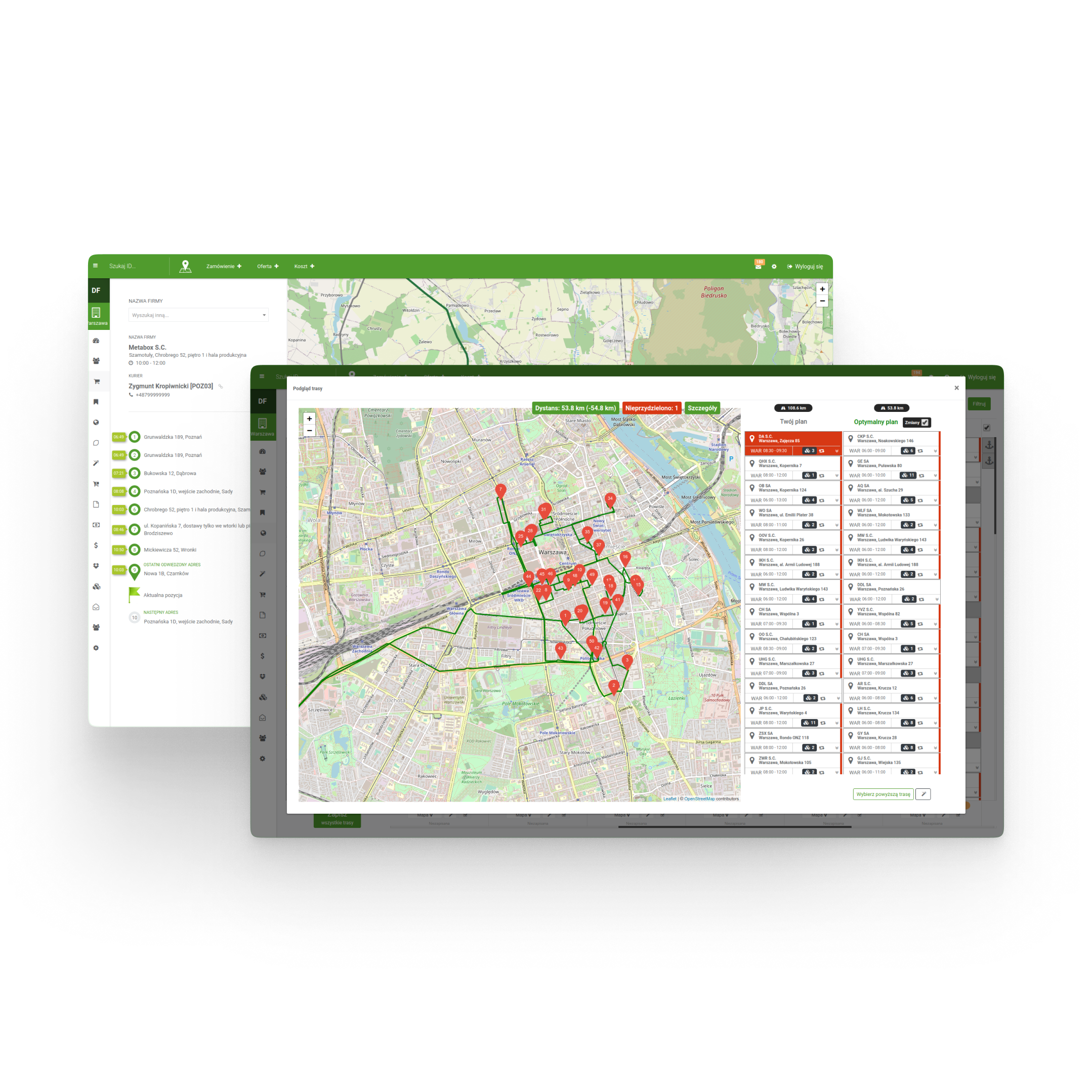
Delivery Route Planning and Optimization
Automatic route planning with the option of manual adjustments, taking into account, among other things:
- deliveries – delivery date and expected delivery window, address, unloading time, order volume,
- couriers – availability, working hours, and even driving style,
- optimization algorithms—traffic volume, route obstructions, and priorities determined based on a selected criterion (e.g., shortest time, fewest kilometers, minimum number of vehicles).
App for couriers
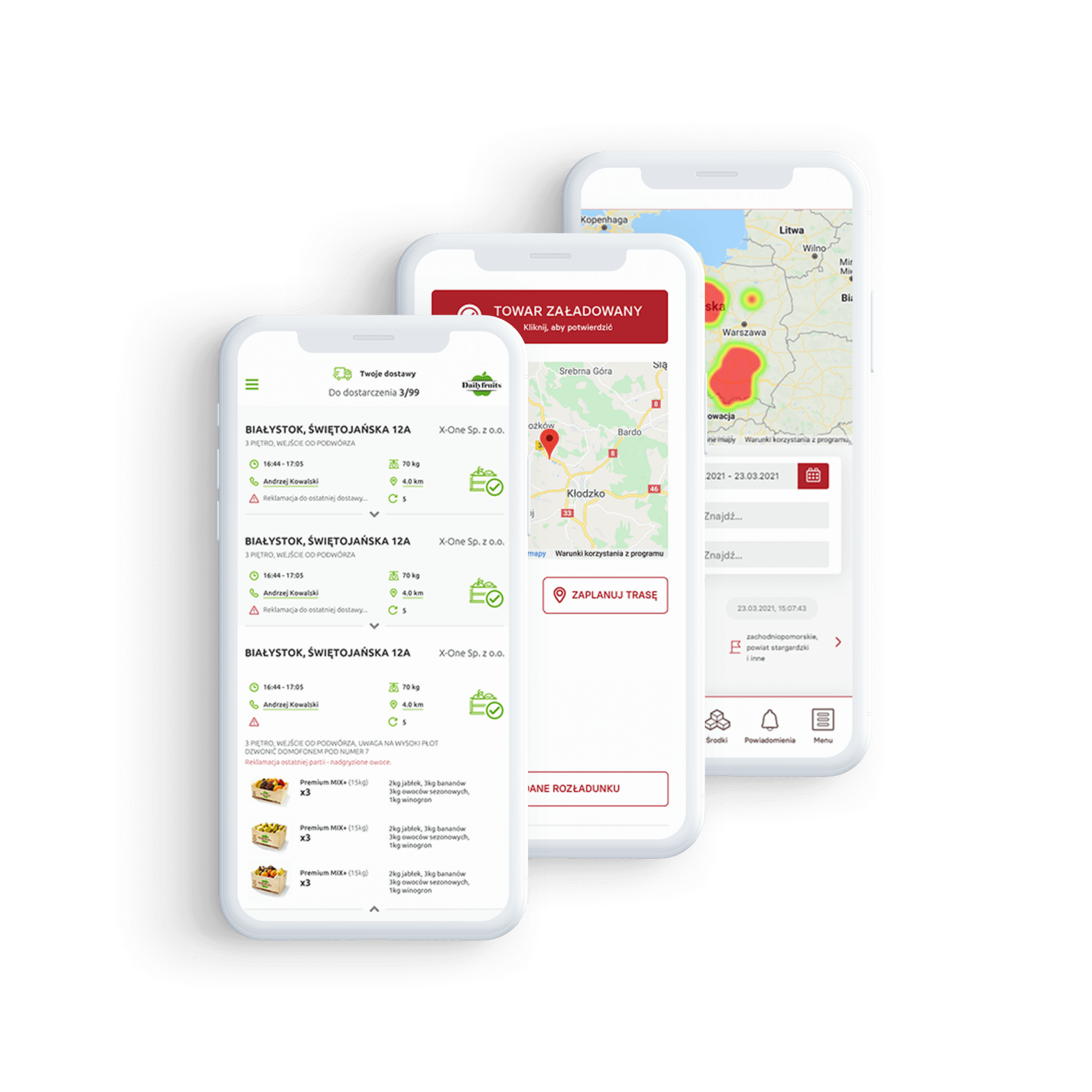
A mobile app that guides the driver through the various stops along the route.
- paperless delivery processing through status tracking (with location monitoring), adding notes, and submitting complaints directly within the app,
- confirmation of deliveries, with the option to attach photos taken on-site or the recipient’s digital signature,
- rapid information flow, including communication with customer service, the recipient of the delivery, the sales representative, or the person responsible for the order,
- integration with the mobile device's default navigation.
Warehouse app
A solution designed to support day-to-day warehouse operations by streamlining the picking process and inventory management.
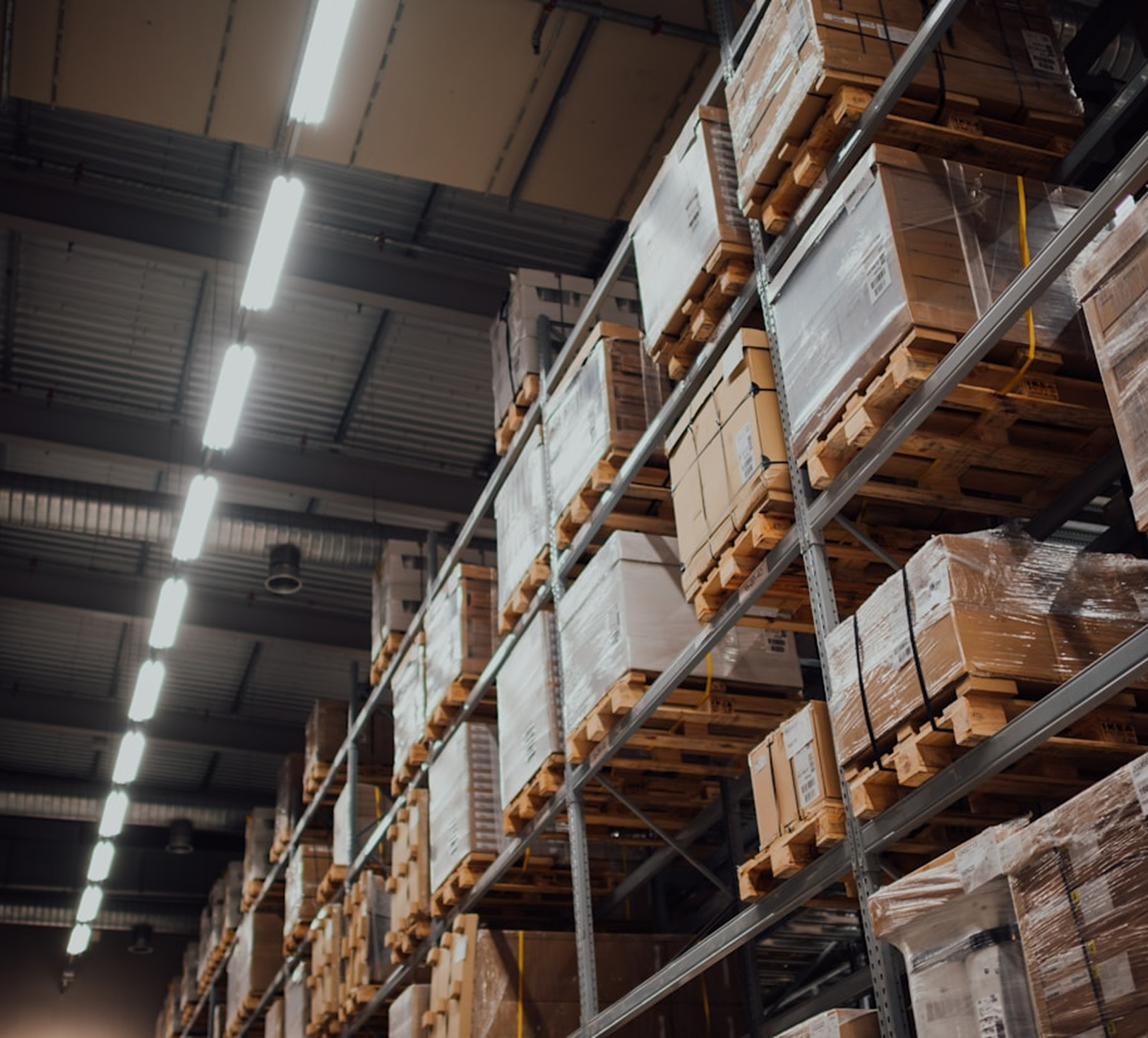
It works on warehouse devices (such as tablets), saving time and reducing paper usage during order picking
It intuitively guides the user through the various stages of order picking
It organizes order picking according to scheduled routes, which streamlines the drivers' work
It enables automatic identification of warehouse employees via a card reader or PIN
It allows you to monitor the progress and pace of order pickers in real time
It allows you to designate storage zones
Supports inventory control
Supports receipt printing
Enables the tracking of returnable containers
Ensures HACCP compliance
Billing Module
It enables the monitoring of salaries and the analysis of work performance.
- uses an algorithm that takes into account multiple factors, including the billing method, distance traveled, total weight, and the number of deliveries made,
- It can be fed with data from courier apps, enabling automatic and accurate tracking of completed orders.
Waybill Module
This module serves as an alternative to managing deliveries via a mobile app and enables the automatic generation and distribution of waybills.

Heatmaps App
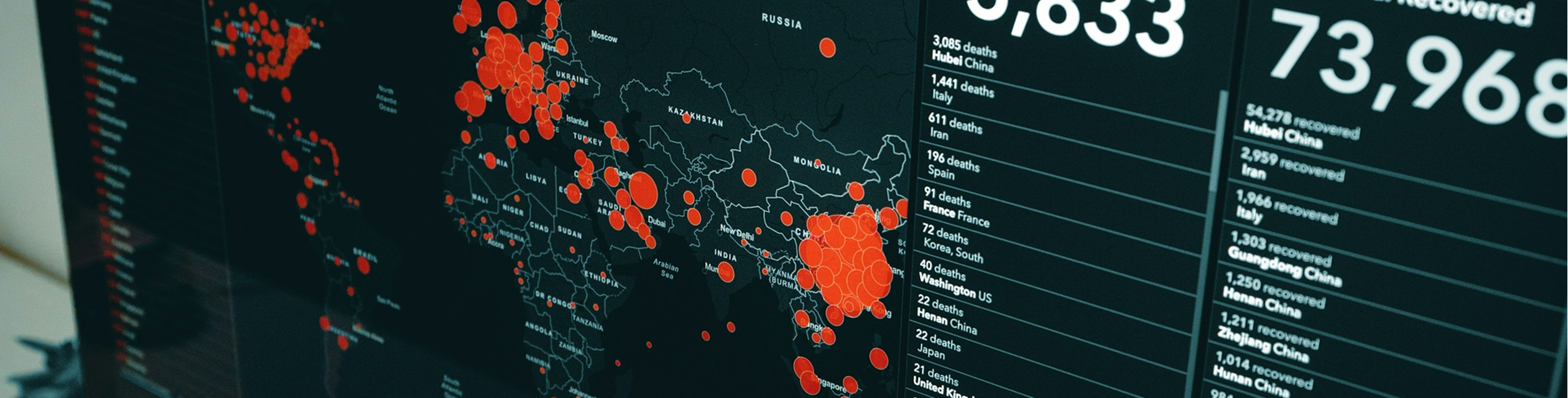
It allows data to be visualized as heat maps, which clearly illustrate the magnitude of phenomena or the frequency of events.
- uses different colors and shades to present data,
- supports data analysis, route planning, and route optimization.
What problemscan a logistics
Overlapping courier routes

The system eliminates duplicate routes, making deliveries faster and more cost-effective.
Vehicle Weight Limits (CVRP)
It takes into account the capacity and weight of vehicles, preventing overloading and optimizing fleet utilization.
Limited number of vehicles and delivery time windows (VRPTW)
It schedules deliveries within the limits of available resources and the specified time frames.
Providers serving residential and business customers
It creates optimized, fixed delivery routes that take specific logistics requirements into account.
Dynamic Route Planning (DVRP)
It adjusts routes in real time in response to changing road conditions or new orders.
The shortest vs. the fastest route
It allows you to select a priority—minimum distance, travel time, or other optimization criteria.
Real-time map updates
It uses up-to-date map data from around the world, which improves the accuracy of route planning.
Data exchange with logistics providers
It ensures a smooth flow of information and the integration of external partners' processes.
for the dedicated system

Where is the courier? (geolocation)
Tracking the courier's current location and estimated delivery time—useful for customer service, among others.
Manual route planning
Manual or semi-automatic route planning with a map preview and the option to use an optimizer.
Historical data
Access to archived routes and deliveries in a clear, visual format on a map.
Delivery areas
Marking areas on a map and automatically assigning orders to the appropriate warehouses.
Reporting
Data presented in dedicated reports or through integration with BI tools.
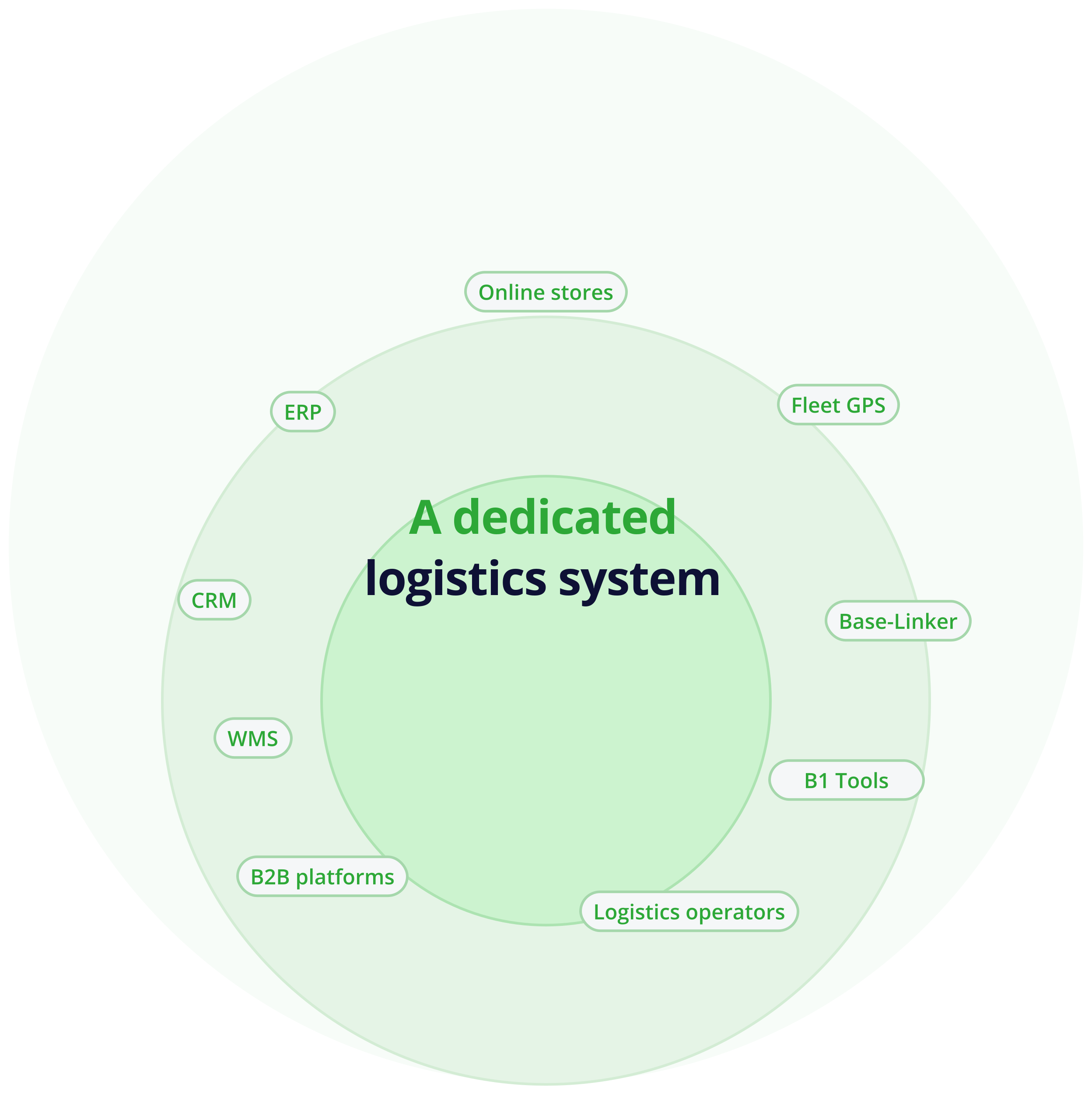
A logistics system
A dedicated logistics system can be integrated with key tools that support the company’s operations. Integrations include ERP, WMS, and CRM systems, as well as e-commerce solutions such as online stores and B2B platforms. The system can work with logistics providers, fleet GPS systems, and intermediary services (e.g., BaseLinker), as well as BI tools for reporting and data analysis. This makes it possible to create a cohesive environment that automates processes and ensures a smooth flow of information throughout the organization.
The benefits of implementing a dedicated logistics system

Reduction in operating costs
Route optimization and more efficient fleet utilization reduce fuel costs, while process automation reduces the need for additional staff in planning and delivery operations.
Sustainable logistics
Lower fuel consumption and emissions, along with a reduction in paper documentation, support an environmentally friendly approach to transportation and distribution.
Higher customer satisfaction
Faster order fulfillment, fewer errors, and real-time updates on delivery status all contribute to a better customer experience.
Elimination of operational errors
Automating the generation of documents, invoices, and routes reduces the risk of errors and improves process control.
Time savings
The system reduces route planning time and speeds up deliveries, increasing the efficiency of drivers, planners, and logistics teams.
Access to data and analytics
Ongoing monitoring, the ability to adjust plans in real time, and the analysis of historical data and statistics all contribute to better business decisions.

Want to explore the possibilities of AI? Contact us!

Marta Majek
Sales specialist

+48 798 092 465

sales@x-one.pl
FAQ - Najczęściej zadawane pytania

X-ONE Sp. z o.o.
ul. Serdeczna 8T,
62-081 Poznań-Wysogotowo
Poland
VAT ID: PL7811961961